Welcome to Adrian Shaw Counselling
A confidential space to explore the thoughts, feelings and challenges in your life
ABOUT ME
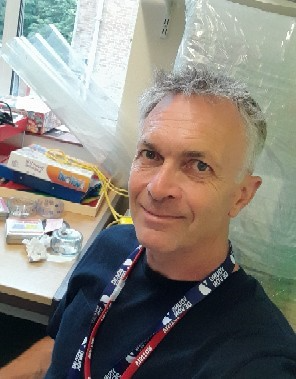
Welcome, and thank you for visiting Adrian Shaw Counselling.
Before becoming a counsellor, I spent many years working as an Area Ranger for the National Trust. That chapter of my life gave me a deep appreciation for the natural world and its profound impact on our mental wellbeing.
Like many people, I’ve faced some of life’s challenges, including redundancy and divorce. These experiences led me to reflect deeply and eventually inspired a new direction — one where I could support others who are struggling. I went on to complete a degree in Psychotherapy and Counselling at Plymouth Marjon University.
I have been working with clients for over two and a half years. My practice is grounded in empathy, respect and authenticity, and a belief in each person’s ability to grow and heal. I also believe that everyone's experience is different and that the support I provide should be tailored to reflect that.
Healing Support
I am a qualified psychotherapist and counsellor, and a registered member of the British Association for Counselling and Psychotherapy (MBACP), registration number 410215. I work in accordance with the BACP’s ethical framework, ensuring a safe, professional, and respectful environment for all clients. I am DBS checked (2025).
My approach is integrative, drawing on a range of therapeutic models and techniques to best support each individual’s unique needs. I believe that no single approach fits everyone, and flexibility allows me to respond to what feels most helpful for you.
At the heart of my work is a strong foundation in person-centred values. I bring empathy, authenticity, non-judgement, and a deep respect for each client’s experience. I see therapy as a collaborative relationship — one that supports healing, growth, and resilience. Whether you’re navigating relationship difficulties, low mood, or rebuilding life after trauma or abuse, I aim to walk alongside you with compassion and care.
Sessions are available via telephone, Zoom, or face-to-face, depending on your location and preference.

How can I help YOU?
People seek therapy for many different reasons — sometimes after a specific life event, and other times due to a general sense that something doesn’t feel right. Whatever your reason for coming to counselling, you are welcome here.
I work with individuals facing a wide range of emotional and psychological challenges. Some of the more frequent issues I support clients with include:
Anxiety and stress
Low mood or depression
Relationship difficulties
Trauma and abuse
Bereavement and loss
Low self-esteem and self-worth
Life transitions or identity changes
Loneliness or disconnection
Finding meaning or purpose
This list isn’t exhaustive — if you’re struggling with something not mentioned here, please feel free to reach out. Therapy is a space for us to explore what matters to you.
SESSIONS & FEES
Counselling sessions last for one hour and are priced from £45 per session. Sessions are usually held weekly, but fortnightly appointments can also be arranged depending on your needs.
I offer both short-term and long-term therapy, depending on what feels right for you.
If you’re considering therapy but aren’t sure where to start, I offer a free 30-minute initial consultation via telephone or Zoom. This is a chance for us to get to know each other, talk about what’s bringing you to counselling, and explore how I might support you — with no pressure or obligation to continue.
Please feel free to get in touch to arrange an initial no fee consultation.
MY LOCATION
I offer counselling sessions online via Zoom, by telephone, or in person, depending on your location and preference.
I cover the areas of Okehampton, Exeter, Honiton, and Lyme Regis, for face-to-face sessions. I am also available to support clients online from much further afield.
We can discuss the most suitable option for you during your initial consultation, and full details will be provided once sessions are arranged.
CONTACT ME
If you have any questions about how counselling works, or if you'd like to arrange an initial consultation, please feel free to get in touch. The first conversation gives us a chance to talk about what’s bringing you to therapy, whether counselling may be helpful for you, and whether I’m the right therapist to support you.
You can contact me via email or call/text me on +44 7961 378034. If I’m unable to answer right away, please feel free to leave a message — I’ll get back to you as soon as I can.
I’m happy to answer any questions you may have before booking an appointment.
All enquires are usually answered within 24 hours, and all contact is strictly confidential and uses secure phone and email services.
FREQUENTLY ASKED QUESTIONS
What’s the Difference Between Counselling and Therapy?
The terms counselling and therapy are often used interchangeably, and there’s a lot of overlap between them. However, they can sometimes refer to slightly different approaches or depths of work.
Counselling is often suited to more specific or current issues — something that can be explored and worked through over a shorter period of time. With regular sessions over a number of weeks, clients often gain a clearer understanding of their situation and develop tools to move forward.
Therapy, on the other hand, may involve exploring deeper-rooted patterns, past experiences, or longstanding emotional challenges that affect various areas of life. This kind of work often takes a longer-term, more open-ended approach.
Ultimately, the most suitable option depends on you — your needs, goals, and what feels manageable at this time. Sometimes short-term counselling can be just what’s needed. In other cases, longer-term therapy provides the space to make deeper changes.
Either way, we can talk through your options together and decide what might work best for you.
How Long Will I Need Counselling?
The length of counselling varies from person to person, depending on your individual needs and the depth of the issues you're facing.
For some, just a few sessions can help bring clarity and focus, offering enough support to move forward. For others, especially when exploring more complex or long-standing difficulties, a longer or open-ended approach may be more beneficial.
How long will I have to wait for an appointment?
I aim to offer an initial assessment within 1 to 2 weeks of your enquiry. From there, we’ll agree on a regular weekly appointment time that works for you and fits with my availability. The start date for ongoing sessions will depend on whether a suitable time slot is currently available, but I’ll always do my best to accommodate your needs.
Will everything I say be kept confidential?
Yes—everything shared in the counselling room is treated with the utmost respect and confidentiality. This privacy is one of the key differences between speaking with a trained therapist and talking to a friend or family member. As you settle into the structure of regular sessions and the safety of the space we create together, many people find it deeply valuable to speak freely and in confidence.
There are, however, rare situations where I may need to break confidentiality—such as if I believe you or someone else is at serious risk of harm. In these cases, I’m legally required to inform the appropriate authorities. If this ever became necessary, I would always aim to discuss it with you first.
Confidentiality is taken very seriously, and any limits will be fully explained before we begin working together.
Before we begin, we’ll agree on an initial number of sessions. When we reach that point, we’ll review how things are going and decide together whether continuing would be helpful. As long as we both feel that ongoing therapy would be of value to you, sessions can continue.
Can I bring a friend or relative with me?
It’s completely natural to feel nervous about starting counselling, and some people do ask if they can bring someone along for support. While I understand this, counselling works best when you feel safe and free to talk openly about whatever is on your mind. Having a friend or family member present—especially if they’re connected to what you’d like to discuss—can make that more difficult.
For this reason, I see clients one-to-one and don’t hold sessions with others present. Many people find that, once they begin, the private and confidential space becomes something they truly value.
©Adrian Shaw Counselling
Powered by WebHealer